
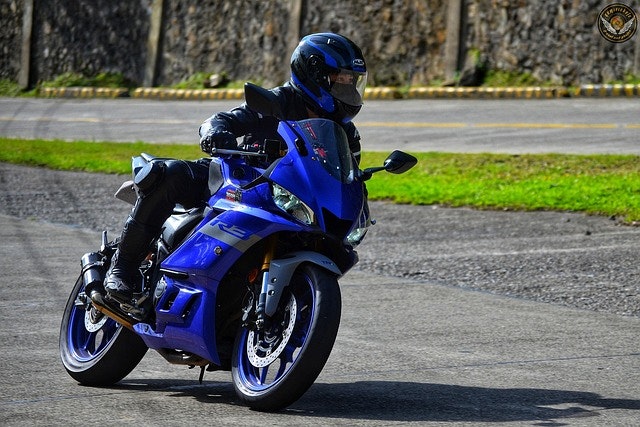
Motorcycle Safety Awareness Month - May - Shared Responsibility on the Road
May marks Motorcycle Safety Awareness Month, a period dedicated to reminding everyone on the road that safety depends on shared responsibility. As temperatures rise and more riders get back on their bikes, interactions between cars and motorcycles naturally increase. With that shift comes a heightened risk of collisions, many of which result in serious injuries and complex legal situations.
Motorcycle crashes often bring significant medical expenses, long-term recovery challenges, and the possibility of civil or even criminal proceedings. By recognizing the leading causes of motorcycle accidents and adjusting behaviors accordingly, both motorists and riders can help reduce collisions and avoid preventable legal consequences.
The Heightened Risks Motorcyclists Face
Motorcyclists experience far greater vulnerability on the road compared to drivers of passenger vehicles. Without the structural protection of a car, even minor impacts can lead to catastrophic injuries. This reality makes motorcycles uniquely susceptible to serious harm during collisions.
Data from the National Highway Traffic Safety Administration shows that riders have a significantly higher likelihood of suffering severe or fatal injuries than individuals in enclosed vehicles. Factors such as limited visibility, misjudged speed or distance, impaired driving, and failure to yield frequently contribute to motorcycle crashes.
Liability disputes are also common in these cases. Determining fault often requires a detailed review of how both the driver and rider behaved, along with an analysis of surrounding traffic conditions. When injuries are extensive or long-lasting, the legal issues can quickly become more complicated and contentious.
How Drivers Can Improve Motorcycle Safety
Motorists play an essential role in keeping motorcyclists safe. Many accidents occur because drivers overlook motorcycles or incorrectly assess how fast they are traveling. This lack of awareness can lead to dangerous miscalculations on the road.
According to the Insurance Institute for Highway Safety, left-turn crashes are among the most prevalent types of motorcycle accidents. These often take place at intersections when a driver turns left across the path of an approaching rider. In many instances, drivers see the motorcycle but fail to mentally register it due to its smaller size.
Drivers can help minimize risks by consistently checking blind spots before merging or changing lanes and by leaving extra space when following motorcycles. Riders can stop more quickly than cars, so additional distance can prevent rear-end collisions. Increased caution at intersections—especially during left turns—is also essential. Reducing distractions and staying alert behind the wheel is particularly critical during the months when motorcycle traffic is most active.
Inattention or impaired driving can dramatically influence legal outcomes following a crash. Reckless conduct, driving under the influence, or distracted driving may lead to civil liability or even criminal charges. Small, intentional safety measures can help prevent severe accidents and their associated legal ramifications.
What Motorcyclists Should Practice for Safer Riding
Riders face unpredictable traffic patterns and must be prepared to react quickly to the actions of other drivers. Defensive riding techniques and proper safety precautions are essential in reducing both crash risk and injury severity.
The Centers for Disease Control and Prevention emphasizes the lifesaving impact of helmets, noting that they significantly cut the risk of head trauma and fatalities. While gear cannot eliminate the possibility of a crash, it plays a substantial role in both medical outcomes and legal claims.
Motorcyclists can enhance their safety by obtaining proper training, keeping their licenses current, and honing their riding skills. Wearing full protective gear—including a certified helmet—greatly increases the chances of surviving a crash without life-threatening injuries. Visibility tools such as reflective clothing, bright gear, and illuminated motorcycle features also help riders stand out on busy roads.
Visibility challenges remain one of the biggest safety concerns. Motorcycles are harder for drivers to detect, especially in heavy traffic or at intersections. Ensuring all lights are functioning and using reflective elements can reduce the likelihood of being overlooked.
Riders can also lightly tap their brakes before coming to a full stop to alert drivers behind them. This simple action helps signal deceleration and reduces the chance of being rear-ended.
Poor decisions involving excessive speed, alcohol or drug impairment, or inadequate training can increase the risk of serious accidents and expose riders to greater legal scrutiny. When lawsuits or insurance disputes arise, investigators often look closely at whether the rider took appropriate safety precautions.
Legal Implications and Liability in Motorcycle Accidents
Motorcycle accidents often lead to more than physical injuries. Victims may face insurance complications, civil litigation, or even criminal investigations depending on the circumstances.
The American Bar Association notes that determining liability in motorcycle accidents can be particularly intricate. Establishing responsibility may require eyewitness accounts, traffic camera evidence, and expert analysis such as crash reconstruction reports.
Legal evaluations may focus on whether either party engaged in reckless behavior, drove under the influence, or ignored traffic laws. Right-of-way conflicts at intersections frequently play a major role in these investigations.
Because motorcycle injuries tend to be severe, insurance companies often conduct thorough reviews, and prosecutors may pursue charges if negligence or impairment is suspected. While safety precautions cannot eliminate all risks, they can significantly reduce the likelihood of litigation or prolonged legal battles.
Building a Culture of Shared Road Safety
Motorcycle Safety Awareness Month highlights the importance of shared responsibility between drivers and riders. Road safety depends on both groups exercising caution, respecting traffic laws, and remaining mindful of one another.
Drivers should stay alert, eliminate distractions, and watch carefully for smaller vehicles. Motorcyclists should practice defensive riding, enhance visibility, and follow safety and licensing requirements.
Responsible behavior benefits everyone, helping prevent life-altering injuries, criminal charges, and costly legal disputes. Prioritizing safety is always more effective than dealing with the aftermath of a serious collision.
If you or someone you love has been injured in a motorcycle accident, understanding your legal options is crucial. Skilled legal guidance can make a meaningful difference in navigating injury claims, liability disagreements, or potential criminal implications. Seek support to ensure your rights are protected throughout the process.