
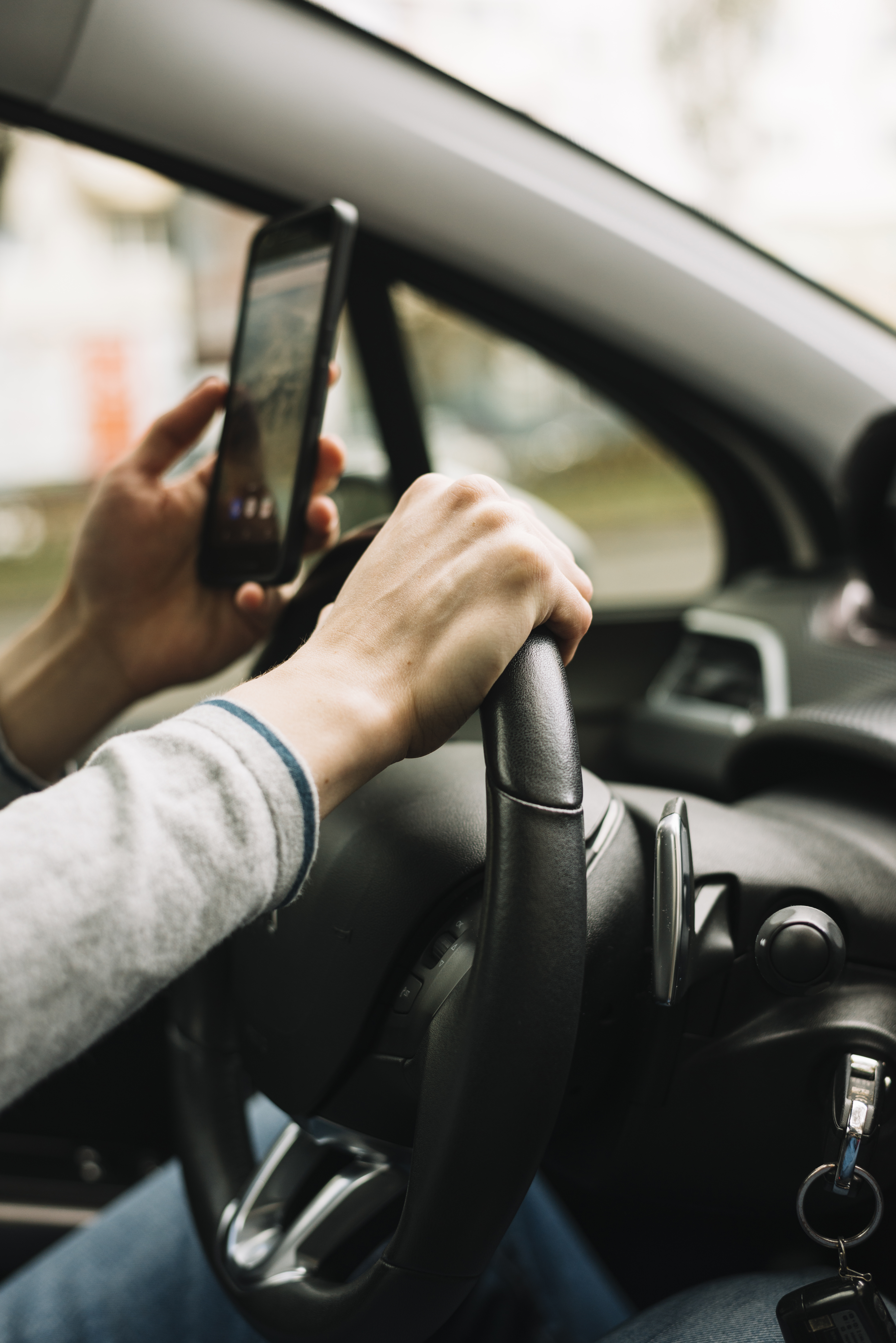
Distracted Driving Awareness Month - April - Personal Injury
Distracted driving remains a leading contributor to motor vehicle collisions nationwide. Although public outreach has encouraged safer driving habits, demonstrating that distraction directly caused a crash can be challenging. Attorneys must rely on a combination of digital data, firsthand accounts, and physical evidence to clearly establish how inattention played a role. When these sources work together, they help create a compelling picture of negligence.
With Distracted Driving Awareness Month taking place each April, it’s important to understand how different types of evidence support a claim and reveal what truly happened in the moments before impact.
Digital Evidence: Uncovering the Driver’s Activity
Phone Records and App Usage
Information pulled from a driver’s mobile device is often one of the most revealing indicators of distraction. Details such as call logs, text message timestamps, and app activity can show whether the driver was interacting with their phone around the time of the accident. Even without reading the contents of a message, the timing alone can strongly suggest a lapse in attention.
Accessing this type of digital information, however, is rarely simple. Wireless carriers frequently retain data for only a short period, and obtaining these records typically requires a subpoena. In certain cases, a forensic analysis of the phone may also be necessary to uncover deleted files or background activity, including GPS interactions, social media scrolling, or recently opened apps.
Social Media Activity and Location Data
In today’s digital world, it is not uncommon for drivers to check social platforms while behind the wheel—sometimes even posting updates, photos, or videos mid-drive. These actions can become critical pieces of evidence in an accident case.
Location tracking, social media posts, check-ins, and indicators of device use—such as typing signals or transitions between apps—help show whether the driver was focused on their phone instead of the roadway. Combined with phone records, this digital trail can help establish a clear timeline of distraction.
Eyewitness and Video Evidence: Bringing Clarity to the Incident
Witness Testimony
Eyewitness accounts from other motorists, pedestrians, or passengers often play a vital role in distracted driving claims. These individuals may have seen the driver looking down, holding a device, or engaging in another distracting action shortly before the collision. Their statements help support digital findings and provide essential human detail to the case.
Witnesses may also note what occurred after the crash—such as the driver admitting phone use or revealing a lit screen still in their hand or lap. These observations can be highly influential when determining fault.
Dashcam and Surveillance Footage
Traffic cameras, security systems, and personal dashcams are increasingly common in many areas. If video footage captures drifting between lanes, delayed braking, or the driver visibly interacting with a device, it can serve as powerful evidence.
However, video files are frequently overwritten within a short window—sometimes in just a few hours. Swift action is essential to secure and preserve any footage before it disappears permanently.
Physical Evidence and Vehicle Data: Telling the Story Through Impact
Event Data Recorders (EDRs)
Most modern vehicles include event data recorders, often referred to as "black boxes." These devices log crucial information from moments before a crash, including speed, braking force, steering inputs, and throttle use. This data helps indicate whether the driver attempted to react to a hazard.
If an EDR report shows no braking or evasive steering before the collision, it may imply that the driver never noticed the danger—potentially due to distraction. When combined with digital or eyewitness evidence, these findings help create a cohesive narrative.
Physical Evidence at the Scene
Traditional accident investigation remains indispensable. Skid marks (or the absence of them), the alignment of debris, and damage patterns all provide insight into what transpired. For example, a vehicle rear-ended while stopped at an intersection with no brake marks from the other car strongly suggests the approaching driver failed to pay attention.
Reconstruction specialists often use physical data to model the crash sequence and determine how the driver could have avoided the collision if they had been fully attentive.
Acting Quickly: Why Timeliness Is Critical
Although these forms of evidence are incredibly valuable, they also tend to be highly time-sensitive. Phone carriers, social media platforms, and camera systems typically retain data for only brief periods before deletion or automatic overwriting. Additionally, subpoenas and data requests cannot be issued until an official legal claim is initiated.
For this reason, contacting a personal injury attorney as soon as distracted driving is suspected is essential. A legal team can quickly send preservation requests to digital service providers, obtain video recordings before they disappear, gather vehicle and scene data, work with reconstruction experts, and file the necessary legal documentation to protect the case. Delays can result in the permanent loss of important information that may be crucial to establishing liability.
Taking the First Steps Toward Recovery
Proving distracted driving requires more than assumptions—it depends on rapid, thorough evidence collection supported by a strategic legal approach. Whether the distraction stems from texting, social media, or navigation apps, uncovering the truth can make the difference between uncertainty and a fair outcome.
If you were involved in an accident where distraction may have been a factor, do not wait to get help. Contact a personal injury attorney who understands how to assemble digital records, eyewitness accounts, and physical clues into a strong, well-supported case. Acting promptly protects your rights and improves your chances of securing the compensation and justice you deserve.