
Rideshare and Waymo Accidents in Los Angeles: Who May Be Responsible?
A collision involving Uber, Lyft, or an autonomous vehicle such as Waymo can create immediate questions about medical care, insurance, and responsibility. The steps you take after the crash may help protect your health and preserve important evidence. As a Los Angeles personal injury attorney, I evaluate each case individually because liability and available insurance coverage can depend on the specific facts.
If you were injured as a rideshare passenger, driver, pedestrian, cyclist, or occupant of another vehicle, I encourage you to focus first on safety and medical attention. Then, preserve the records that can clarify what happened before, during, and after the collision.
Get to Safety and Call for Help
After any vehicle collision, move to a safer location if you can do so without worsening your injuries. Call 911 when someone is injured, there is significant property damage, the roadway is unsafe, or law enforcement assistance is needed. An official report may become an important source of information, but it may not tell the entire story.
Check on others involved, but avoid discussing fault or making statements that could be misunderstood later. If you are able, exchange identifying and insurance information with the involved drivers. In a rideshare or autonomous vehicle crash, also identify the vehicle, its operator if one is present, and the rideshare or vehicle-service platform connected to the trip.
Seek Prompt Medical Care, Even if Symptoms Seem Minor
Some injuries are not immediately obvious after a crash. Pain, stiffness, headaches, dizziness, numbness, and emotional distress can develop or become more noticeable in the hours or days that follow. A prompt medical evaluation can protect your well-being and create documentation of your symptoms and treatment.
Follow the recommendations of your medical providers, attend scheduled appointments, and keep copies of bills, visit summaries, imaging results, prescriptions, and work restrictions. As a California accident lawyer, I have seen how consistent medical documentation can help explain the real impact of an injury when insurance questions arise.
Preserve Your Uber, Lyft, or Waymo Trip Records
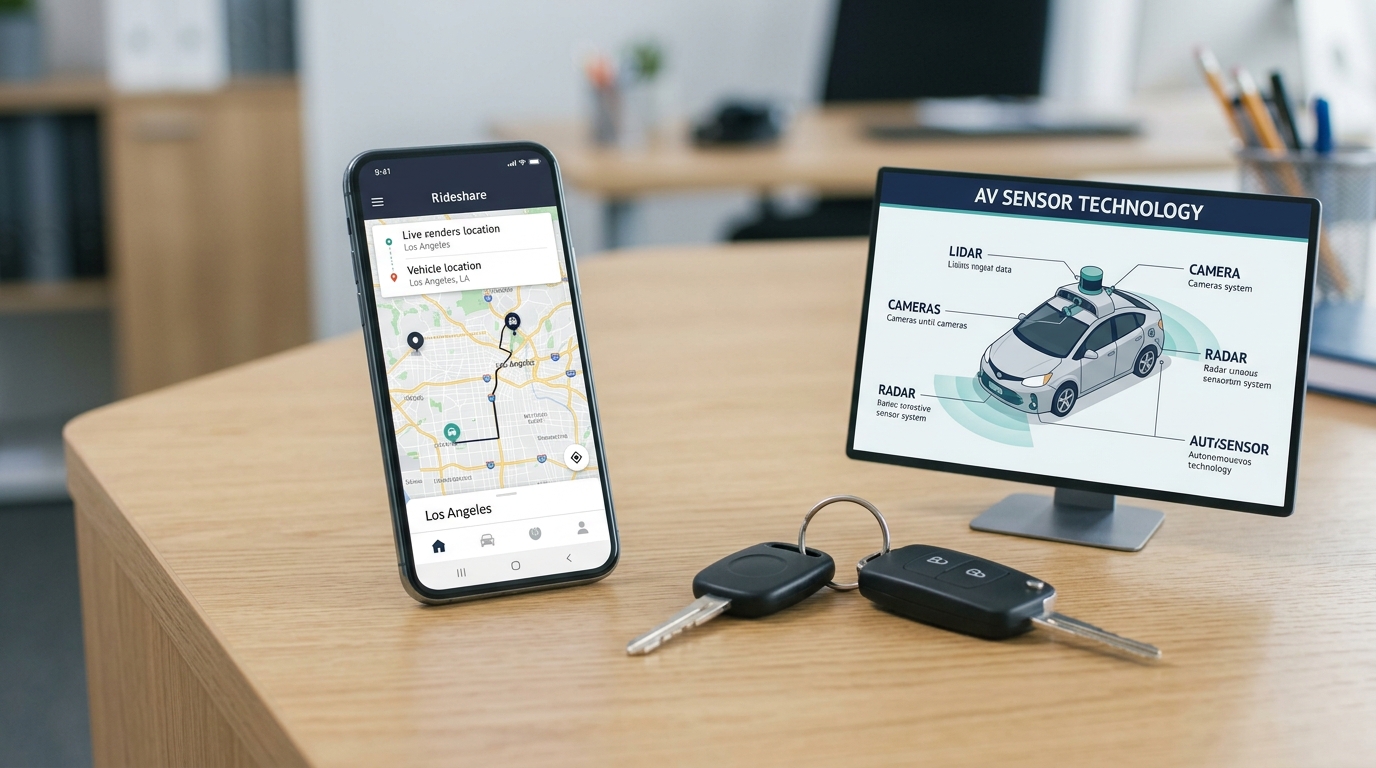
Digital records can be especially important in rideshare and autonomous vehicle cases. Before information becomes difficult to access, take screenshots of the app screen, trip receipt, route map, driver or vehicle details, pickup and drop-off locations, messages, and any in-app safety or incident-reporting options.
Save emails, text messages, notifications, and receipts connected to the ride. Note the approximate time of the collision, the location, weather and traffic conditions, and what you observed immediately before impact. If the crash involved a Waymo vehicle, record the vehicle identification details and any information displayed in the app or provided by company representatives.
A Waymo accident attorney may need to review a range of evidence beyond a traditional collision report, including trip data, vehicle records, photographs, witness accounts, and potentially other technical information. The relevance and availability of that evidence will depend on the circumstances of the case.
Document the Scene and Identify Witnesses
If it is safe to do so, photograph vehicle positions, damage, skid marks, traffic signals, road conditions, nearby businesses, and visible injuries. Take wide photographs to show the overall scene and closer images to capture details. If you were a pedestrian or bicyclist, document the crosswalk, sidewalk, bike lane, intersection, or other roadway features involved.
Ask witnesses for their names and contact information. Independent witnesses can sometimes provide useful context when the parties involved remember events differently. Nearby camera footage may also exist, but it can be overwritten quickly. Preserving evidence early can be particularly important for passengers who did not have control over either vehicle.
Report the Collision Through the Appropriate Channels
Report the crash to law enforcement when appropriate and obtain the report number. You should also use the Uber, Lyft, or Waymo app or other official reporting channel to notify the company of the incident. Keep copies or screenshots of each report, confirmation number, and communication you receive.
Reporting a collision does not necessarily establish fault or determine which policy applies. A rideshare company’s insurance position may depend on factors such as whether a driver was logged into the app, waiting for a ride request, traveling to a pickup, or carrying a passenger. Autonomous vehicle claims can also involve questions about the vehicle’s operating status, the role of any human driver or operator, and the conduct of other road users.
Potential Responsibility Depends on the Facts
There is no single answer to who may be responsible for an Uber, Lyft, or Waymo-related collision. Depending on the evidence, a claim may involve a rideshare driver, another motorist, a vehicle owner, a rideshare company’s insurance coverage, a manufacturer, a maintenance provider, a government entity, or another party. More than one person or entity may have contributed to a crash.
For example, another driver may have violated a traffic law, or a vehicle owner may have allowed an unsafe vehicle onto the road. In some situations, vehicle design, manufacturing, maintenance, roadway conditions, or unsafe property conditions near the crash site may warrant closer review. A pedestrian injury attorney may also evaluate whether a crosswalk, traffic signal, obstructed sightline, or other condition played a role.
As a rideshare accident lawyer, I review the evidence carefully rather than assuming that the most recognizable company is automatically responsible. A case-specific investigation can help identify the parties, policies, and legal issues that may matter.
Be Careful With Insurance Communications
Insurance adjusters may contact you soon after the crash, sometimes before the full extent of your injuries is known. You can provide basic information needed to open a claim, but be cautious about giving a recorded statement or accepting a settlement offer before you understand your medical condition and legal options.
A recorded statement may be used to assess the claim, and an early settlement may not account for future treatment, lost income, or complications that have not yet become clear. It is reasonable to ask for communications in writing and to take time before making important decisions. You should not exaggerate or withhold information; instead, be accurate, measured, and mindful of speaking before you have all the facts.
Keep a Record of How the Injury Affects Your Life
Maintain a simple file for crash-related documents and a journal of symptoms, missed work, medical appointments, limitations, and changes to daily activities. Include expenses such as transportation to treatment, medications, and other out-of-pocket costs. These details may help show how the collision affected you beyond the initial emergency response.
If you are unable to work or your responsibilities at home have changed, keep records that explain those effects. A thorough review considers both the immediate consequences of the crash and the practical challenges that may continue during recovery.
How I Can Help After a Los Angeles Rideshare Crash
The Law Offices of Ricardo A. Lopez represents injured people throughout California, including individuals hurt in rideshare, car, motorcycle, pedestrian, and autonomous vehicle collisions. My role is to help clients understand their options, communicate with insurers, preserve relevant evidence, and pursue a claim based on the facts of their case.
I understand that these cases can feel complicated, especially when multiple insurers or technology companies are involved. As a bilingual personal injury attorney in Los Angeles, I offer clear guidance in English and Spanish so clients can make informed decisions about their next steps.
If you were injured in an Uber, Lyft, or Waymo-related crash, request a free personal injury case review with the Law Offices of Ricardo A. Lopez. I can discuss the circumstances of your collision and help you better understand the options that may be available.
FAQ
Should I report an Uber or Lyft accident through the app?
Yes, using the platform’s official reporting option can create a record of the incident. Save screenshots of the report, your trip details, and any messages or claim information you receive. Reporting the crash does not by itself resolve questions about fault or coverage.
What should I do if a Waymo vehicle hits my car, bicycle, or pedestrian path?
Prioritize safety, call for help if needed, obtain medical care, and document the scene. Record available vehicle and trip details, identify witnesses, and obtain a police report number when one is made. A review of the facts can help determine what evidence and parties may be relevant.
Can I make a claim if another driver caused a rideshare collision?
Potentially. If another motorist contributed to the crash, that driver and any applicable insurance may be part of the analysis. The rideshare driver’s status, the trip stage, the injuries involved, and other evidence can also affect the evaluation.
Do I have to give an insurance company a recorded statement?
Requirements can vary based on the policy and your role in the claim. Before providing a recorded statement, it may be helpful to understand why it is requested and how it could be used. Avoid speculating about fault, injuries, or details you do not know.
How soon should I speak with a Los Angeles personal injury attorney?
It is often helpful to seek legal guidance promptly after receiving medical care, particularly when a crash involves a rideshare platform, autonomous vehicle, multiple vehicles, or serious injuries. Early consultation can help you identify records to preserve and avoid missing important steps while your case is evaluated.